[HÍR] REPORT – Erasmus+ Group Student Mobility Programme in IES El Batán
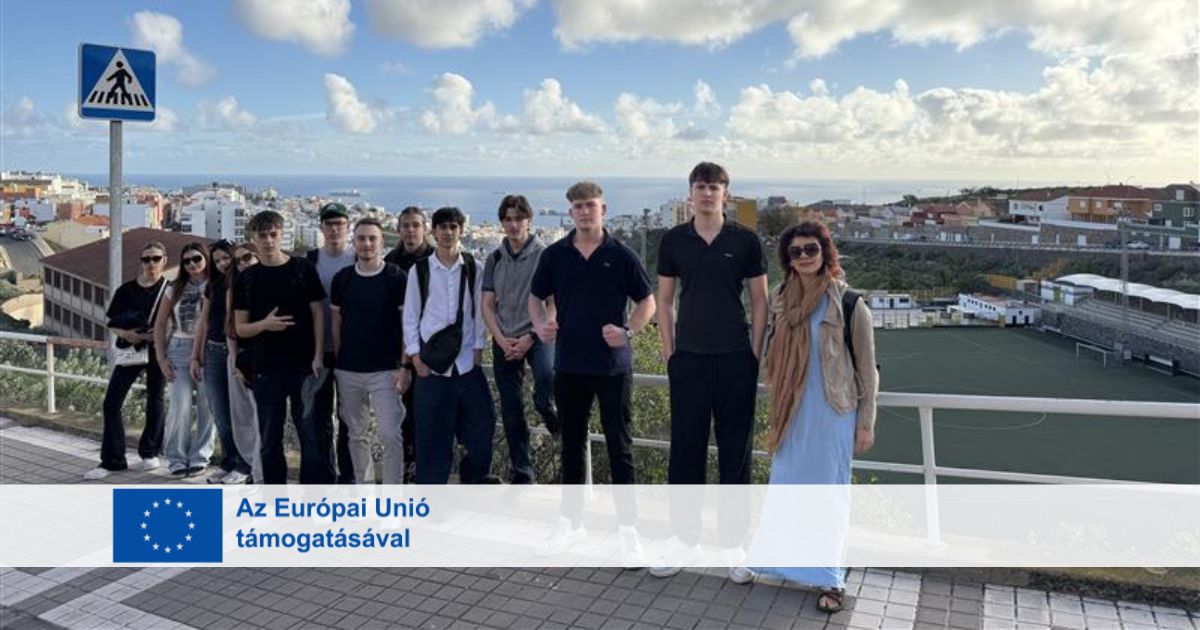
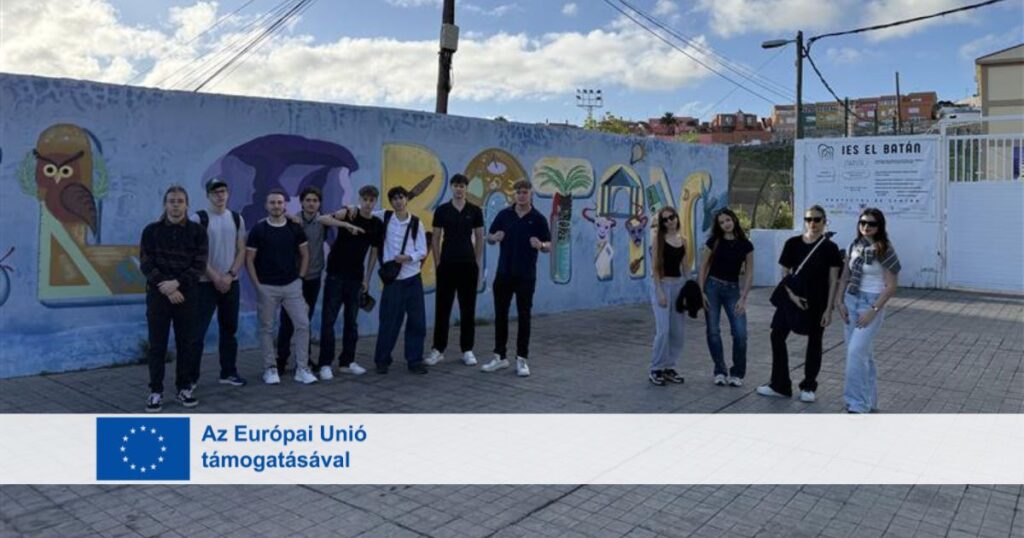
Erasmus+ Group Student Mobility Programme in IES El Batán, Gran Canaria
Written by: Johana Andrea Torifio Sánchez
Why did you apply for the program (personal motivation)?
If we are being honest, one of the reasons why I decided to join the ERASMUS+ trip to Gran Canaria was also to escape the beautiful but cold winter in Budapest for a week. But beyond that, I saw it as a great opportunity to experience another education system, learn new ideas, and grow as a teacher. Traveling with a wonderful colleague, Fejér Orsolya, and a group of curious and motivated students made the experience even more meaningful. Their openness and energy pushed me to reflect on my own teaching and think about how I can continue improving when I returned to the classroom.
What did you expect from the 1-week trip?
Before the trip, I expected to observe how a Spanish high school works on a daily basis and to see how classes are taught there. I also hoped that our students would gain cultural experience, meet new people, and become more open-minded through real interaction with students from another country. Personally, I was also hoping to return home with new teaching ideas and perspectives.
How did you get to know the Spanish education system?
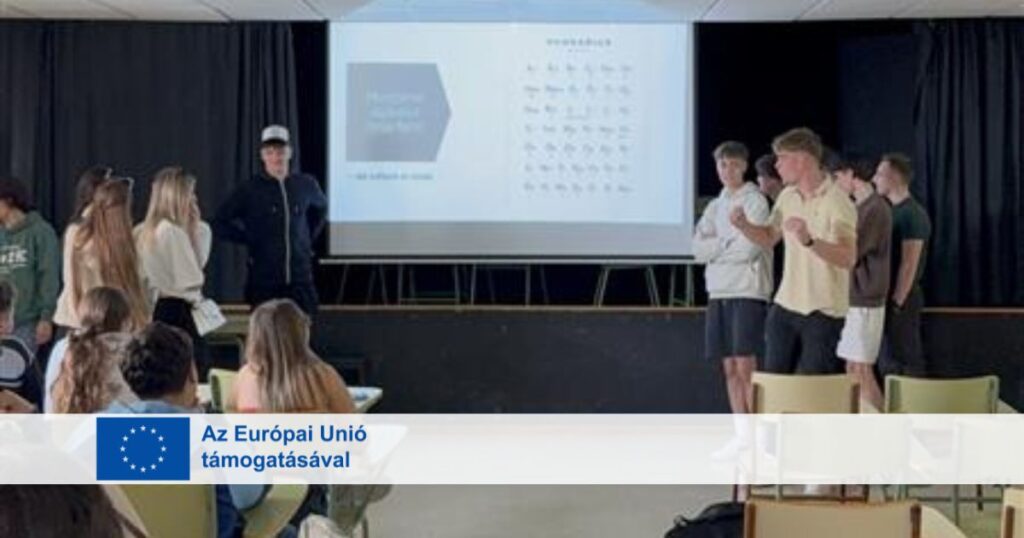
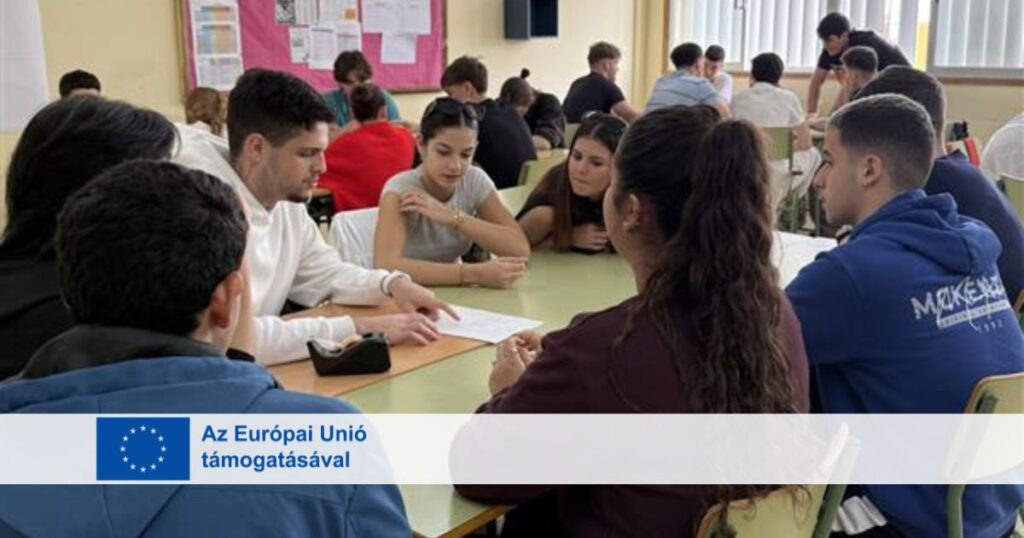
We got to know the Spanish education system mainly through classroom observations at IES El Batán. Our students were divided into groups and attended different classes throughout the week, such as French, Economics, Photography, Technology, Philosophy, Theatre, Physical Education, and also a PDC class and the special education class called Aula Enclave.
Talking with teachers and students also helped us understand how the school works and how they support students with different needs. It was interesting to see how programs like the Curriculum Diversification Program allow students who struggle academically to learn at their own pace instead of falling behind.
What was your opinion about the Spanish high school classes (teaching-learning process)? About the Spanish teachers and students?
The classes we observed were often interactive and encouraged participation. Teachers tried to involve students in discussions and group work rather than only lecturing.
One thing that stood out to me was how teachers communicated in the special education class. They often spoke slowly and used many gestures while explaining things, which made their communication very clear and accessible to everyone, even our students who spoke very little Spanish. It felt like this way of communicating was naturally integrated into their teaching. In regular classes, the students were treated as equals while keeping the teacher – student relationship respected.
Another thing that both I and our students noticed was the relationship between teachers and students. There seemed to be a lot of openness and mutual respect.
Students appeared comfortable speaking with their teachers and asking for help when they needed it. Quoting one of the Canarian students “we can trust them and we feel listened”.
An interesting difference with our school was the use of technology. Mobile phones are not allowed during the school day, and students do not have constant access to digital devices. While the school does have digital resources, they are stored in lockers and used only when necessary. This creates a more focused classroom environment where students interact more with each other during breaks instead of looking at their phones. And the students truly respect this rule.
During the photography class, I asked the students what equipment they usually use. They told me that they mostly take photos using their phone cameras. This made me realize again how fortunate our students are, since in our school they have access to real cameras and professional equipment.
What learning experiences did you have during your stay there? Good ideas, things that you liked? Maybe negative things that you didn’t like?
One of the most meaningful experiences for me was visiting the Aula Enclave class, where students with severe cognitive disabilities focus on life skills. It was very moving to see how respectfully and warmly these students are integrated into the school environment, and how the program focuses on what they can do, rather than on what they lack.
I also found the PDC program (Curriculum Diversification Program) very interesting. It allows students who have learning difficulties to study in a smaller group and progress at their own rhythm. Instead of feeling left behind inside a regular classroom, they are given the support they need to succeed.
Another inspiring aspect was the role of student committees in the school. These groups empower students to support each other, promote equality, and sometimes even mediate conflicts between peers. They organize initiatives that raise awareness about social issues, help integrate students from different backgrounds, and encourage participation in school life. It was interesting to see how students themselves take responsibility for creating a positive environment in the school. This peer-to-peer support system seemed very effective, because students often feel more comfortable speaking to someone their own age than directly to a teacher.
This approach is also reflected in the fact that UNICEF has recognized IES El Batán as a Reference Centre in Education in Children’s Rights and Global Citizenship. This recognition is given to schools that actively promote children’s rights, student participation, equality, and a positive and respectful school climate. Seeing these values reflected in the everyday life of the school made it clear that this recognition is not just symbolic, but part of the culture of the institution.
The only real negative aspect was that the week simply felt too short. There was so much to see and learn that we often felt we needed more time.
Regarding the topic of the project (the Spanish education system, the functioning of Spanish schools), I have seen and learned the following things, or ideas that I would like to recommend to my fellow students, activities that I liked and inspired (3–4 sentences):
One thing I learned is that inclusion can be approached in very practical ways. Programs like Aula Enclave or PDC show that students with different needs can still be supported within the school community. I was also inspired by the student committees, which give students a real voice and responsibility. Finally, the strong and respectful relationship between teachers and students is something that left a strong impression both on me and our students, as this was a point a lot of them mentioned to me.
What extracurricular activities did you participate in? How did you like them?
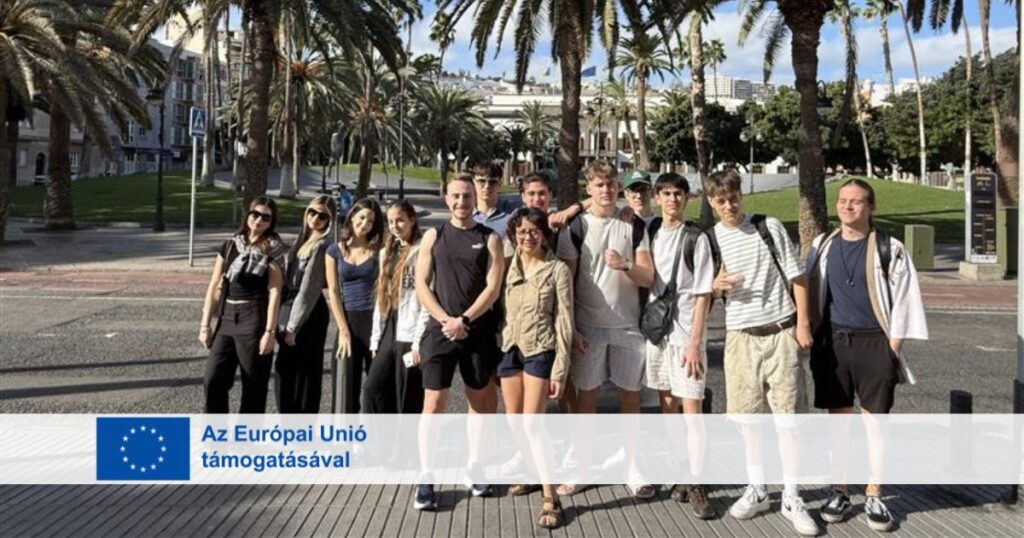
During the week we were also able to explore the island of Gran Canaria, which was an amazing experience for our students.
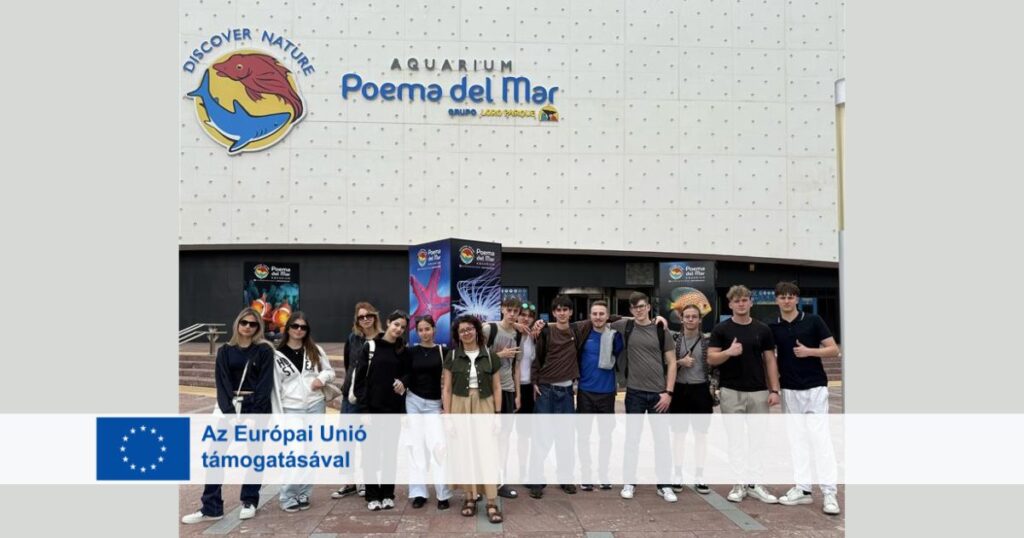
We spent time at Las Canteras Beach, where many of our students bonded and got to know each other better. We also visited the Poema del Mar Aquarium, which houses the biggest salt water tank in Europe. where we saw many fascinating marine species which seemed otherworldly.
Another unforgettable day was when we went up to Pico de las Nieves, the highest point on the island, where we could see the divers landscapes even see Teide on the neighbouring island. Later we visited the beautiful dunes of Maspalomas Dunes, where many of our students said they witnessed the most beautiful sunset of their lives.
Best experience that you remember most fondly?
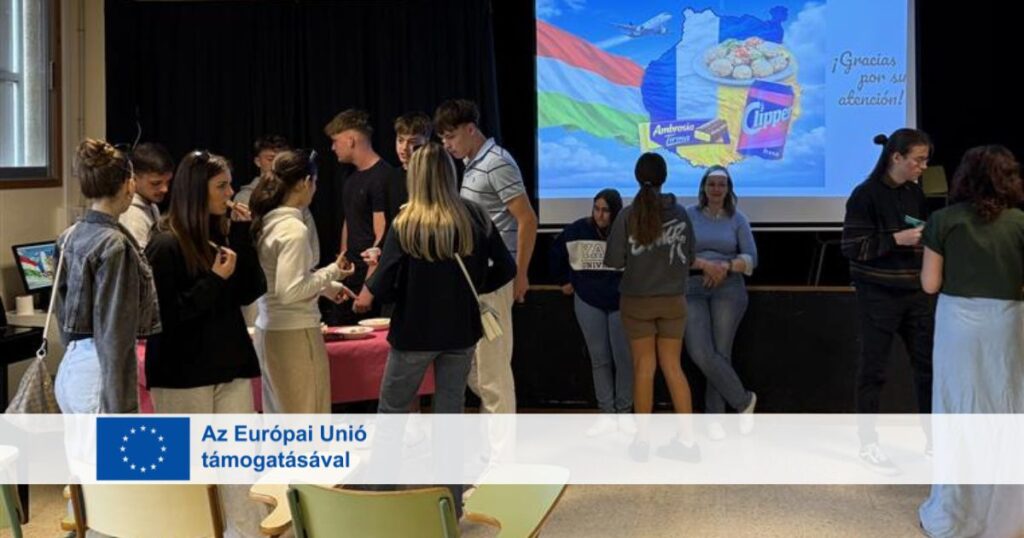
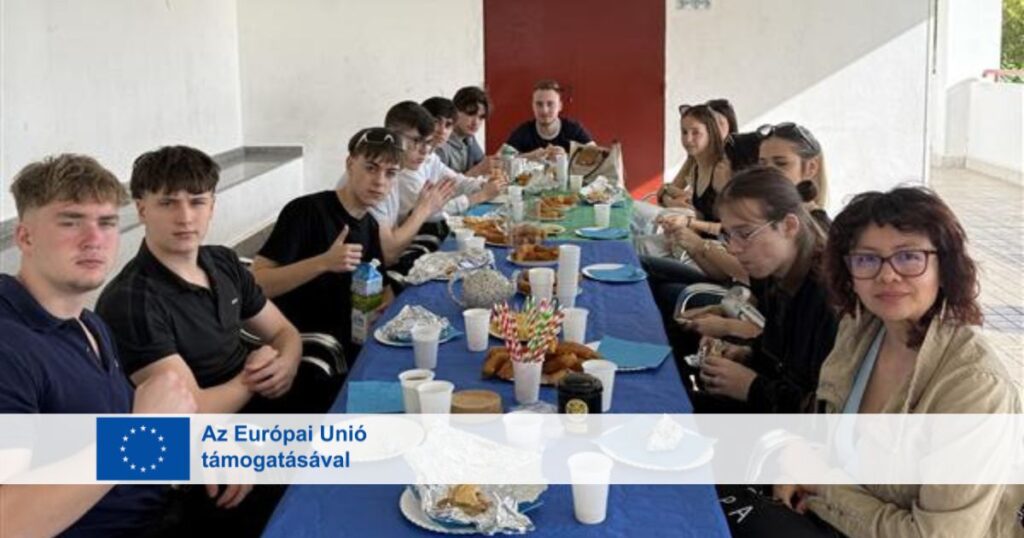
One of the most memorable moments for me was the Aula Enclave class, where we cooked and shared a local pastry called Tortilla de Carnaval together with the students. It was a joyful and emotional moment that showed how powerful inclusion and shared experiences can be.
Another memory that stayed with me was celebrating one of our student’s birthdays. We surprised him while walking back from Las Canteras Beach during the Carnival season with a small celebration full of laughter, music, and friendship.
For me, the best part of the trip was seeing our students grow throughout the week. Watching them experience new things, interact with students from another country, and step outside their comfort zones was truly rewarding. It was wonderful to see them curious, engaged, and happy while discovering a new culture and school environment. Moments like these remind me why educational trips like this are so valuable… not only for learning, but also for personal development and confidence.
‘What did you bring home’? Why was it worth it? What has stayed with you?
I brought home many reflections about education, inclusion, and the importance of human relationships in schools. Seeing how students from very different backgrounds are supported and encouraged was very inspiring.
What stayed with me the most is the reminder that education is not only about academic results, but also about building confidence, empathy, and community.
Participating in the ERASMUS+ program was a good idea and I would recommend anyone to join next time because:
Participating in the ERASMUS+ program was definitely worth it, and I would recommend it to anyone who has the opportunity. It allows teachers and students to learn from each other, experience new cultures, and see education from a different perspective. It also encourages reflection on our own practices. Experiences like this broaden our horizons and create memories that stay with us for a long time.
Finally, I would like to sincerely thank our school director for giving us the opportunity to participate in this ERASMUS+ mobility. I am also very grateful to Féjer Orsy for the teamwork and support throughout the whole experience.
A special thank you goes to our host teacher at IES El Batán, Florine Liebermann, for welcoming us so warmly and making us feel at home. I would also like to thank the students there, the “chachos and chachas”, for being so open, friendly, and cool with our group.
And of course, I want to thank our own students for representing our school so well. They were curious, respectful, and brave enough to step out of their comfort zones, which made the whole experience even more meaningful.